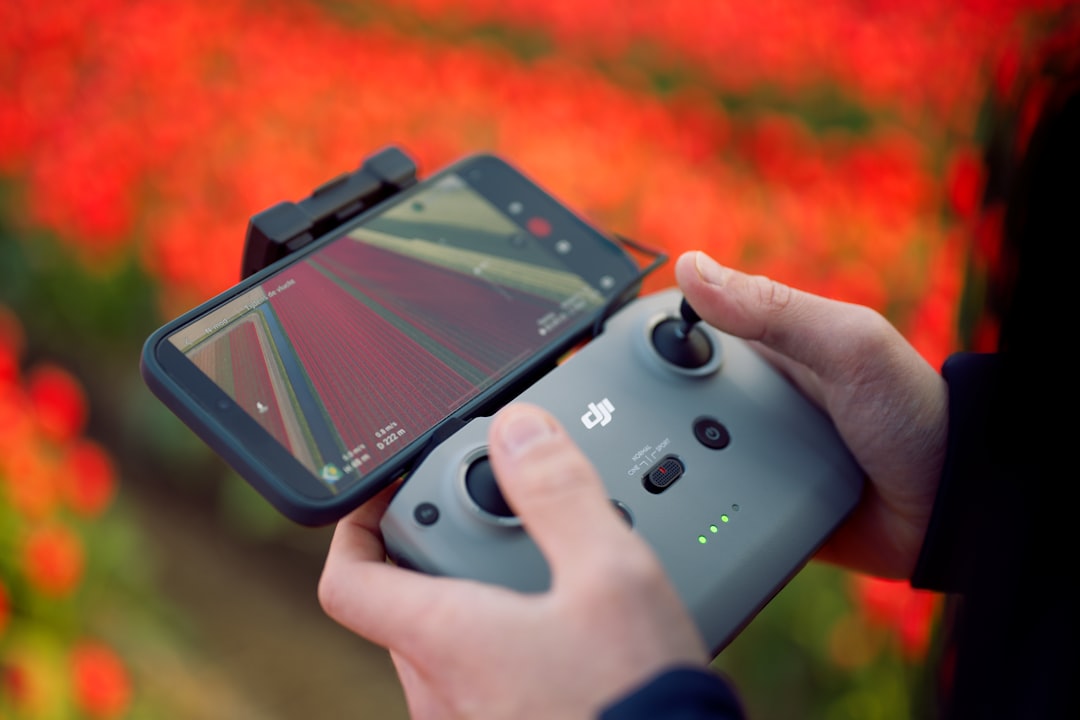
When Lego unveiled Smart Bricks at CES 2026, it did more than ship a new toy line. It offered a live case study in how physical-digital systems can turn a static object into an interactive loop, blending touch, motion, sound, and app-enabled context into something closer to a game than a conventional product. For game teams, the interesting question is not whether this is “toy tech” or “gaming tech,” but how hybrid play changes player behavior, retention, and product value. That matters whether you are building controller hardware, an AR toy line, a companion app, or the merch that sits beside a live-service game. If you are tracking broader interactive product strategy, you may also want to revisit our guide on where to hunt for yield in the gaming boom and our analysis of how creators can read supply signals to time product coverage.
Why Smart Bricks Matter Beyond the Toy Aisle
The real innovation is not the sensor, it is the loop
Smart Bricks are interesting because they do not just “add effects.” They create a feedback cycle where building, touching, moving, and observing all influence the next action. In game design terms, that is a closed loop with legible inputs and meaningful outputs, which is the foundation of good onboarding and mastery. The BBC’s reporting noted that Smart Bricks can sense motion, position, and distance, and that they combine sensors, lights, a sound synthesizer, an accelerometer, and a custom silicon chip into a 2x4 form factor. That architecture lets the product respond to how it is handled rather than merely triggering pre-scripted animations. For teams building similar systems, the lesson is to design for behavior, not spectacle. If you need a broader lens on audience behavior and launch timing, see how to feed your launch strategy with open-source signals and how macro and sales signals shape promotions.
Physical agency creates emotional investment
One reason physical-digital experiences often outperform purely digital novelty is that players feel responsible for outcomes. When the result depends on placement, tilt, distance, or pressure, the player’s body becomes part of the system, which increases perceived ownership. That is why Smart Bricks may be more sticky than a simple companion app: the play space itself becomes expressive. This is also why many “toys-to-life” products failed when they minimized the tactile core and over-relied on software layers. Game designers should think of haptics, resistance, click feel, and physical unlocks as emotional anchors, not accessories. For hardware teams, our breakdown of companion ecosystems and upgrade decision cheat sheets offers useful parallels in how peripheral products expand utility without replacing the core device.
Why the industry should care now
The current market is primed for hybrid play because players expect their purchases to live across platforms, media, and communities. A console controller no longer just controls; it can become a social object, an accessibility device, a collector item, and a content prop. Likewise, merch is no longer passive branding; it can unlock quests, sync to accounts, or alter AR overlays. Smart Bricks sit in the same trendline as virtual try-on systems, because both replace a one-way experience with an interactive decision loop. The game industry should read this as a signal that “product” and “interface” are converging.
How Smart Bricks Work as a Hybrid Play System
Sensors are only useful when they map to player intent
The best interactive systems do not expose raw hardware features; they translate them into meaningful play verbs. A motion sensor is boring if it only detects movement. It becomes valuable when movement means charging a beacon, waking a character, or altering a puzzle state. Smart Bricks appear designed around this principle: motion, position, and distance are not technical specs so much as gameplay verbs. That is exactly how controller teams should think about triggers, sticks, touch surfaces, and adaptive feedback. The goal is not to cram more electronics into the shell, but to make each input legible, rewarding, and distinct. For teams planning product architecture, it helps to borrow from real-time sensor architecture and hybrid wired-wireless system design, where placement and signal clarity determine reliability.
Tags and tiles create state, not just access
Smart Tags and related tiles matter because they likely function as state carriers: they tell the system what the player has built, unlocked, or connected. In game design, that is the difference between a collectible and a mechanic. Tags make the object network-aware, which means the toy can remember context across sessions or across different parts of the set. That is the same reason save data, account linking, and profile persistence are so crucial in games: they transform a moment into a journey. If you are building a companion app, the key question is not “Can we scan something?” but “What persistent meaning does the scan create?” For additional context on connected identity and trust, see migrating context without breaking trust and how brand depth changes user attachment.
Tactile feedback is the differentiator in a screen-saturated market
The reason Smart Bricks can matter in 2026 is that they fight digital fatigue with touchable feedback. Lights and sounds are not just decoration when they arrive in response to physical action; they validate the player’s body as the controller. That has design implications for AR toys, where the most common mistake is to make the physical object feel like a scanning token for a screen app. Instead, the object should retain value when the screen disappears. Think of the screen as a narrator, not the stage. For systems that keep the physical layer meaningful, check our guide on selling experiences instead of products and our breakdown of how experiential marketing drives sharing.
What Game Designers Can Learn About Core Loop Design
Build a loop where every action reveals something new
A strong hybrid play loop should reward exploration, not just completion. The player builds a structure, places a tag, nudges a brick, and gets a different response depending on the configuration. That means the game is not simply “press button for effect”; it is “experiment, observe, infer, repeat.” This is powerful because it creates natural progression without over-relying on menus or tutorials. You can adapt that model for controller design by creating hidden modes, gestural shortcuts, or tactile states that reveal themselves through play. For example, a controller could use adaptive resistance, light strips, or sound cues to signal stamina, cooldown, or squad status. If you are designing around progression systems, our piece on ignoring recovery signals offers a useful metaphor for feedback-driven engagement.
Emergence is a feature, not a bug
Lego’s biggest strength has always been emergent play, and Smart Bricks should be judged by whether they amplify that strength rather than replace it. Emergence happens when simple rules combine into unexpected outcomes, which is why children often invent better “games” than the toy manufacturer ever planned. The same principle drives sandbox games, systems-driven roguelikes, and player-created challenge modes. Hybrid play systems should therefore resist over-scripted outcomes and leave room for improvisation. If every response is predetermined, the player becomes a spectator. For more on systems that benefit from iterative play and community creativity, read why beat-'em-ups keep getting reborn and how niche coverage builds loyal audiences.
Tutorials should teach experimentation, not obedience
Hybrid toys and companion experiences often fail because onboarding over-explains and under-invites. If players are told exactly what to do, they stop discovering what the system can do. Smart Bricks suggest a better onboarding philosophy: show one reliable interaction, then let the player uncover adjacent behaviors through play. This is the same philosophy good game tutorials use when they teach movement, then camera, then combat, rather than flooding the player with UI. It also applies to companion apps, where a single scan should unlock a story beat, an AR layer, or a shared social reward. For teams thinking about user education and content structure, see teaching audience intent through prompts and content tools that improve clarity without flattening voice.
Controller Design Lessons From Smart Bricks
Inputs should feel visible, not abstract
One of the biggest challenges in controller design is making inputs readable under pressure. Smart Bricks succeed conceptually because the player can see the object, move it, and immediately understand that motion matters. A controller can borrow this by making state obvious through tactile detents, LED zones, surface textures, or modular attachments. The more legible the hardware, the less the player has to translate between intent and output. That is especially important for accessibility, where clear feedback can reduce cognitive load and improve confidence. Teams planning device rollouts should think about device logistics and retail positioning with the same rigor used in deal strategy for tech hardware and buyer checklists for timing a purchase.
Modularity extends the life of the hardware
Smart Bricks hint at a future where devices are less monolithic and more composable. That has obvious implications for premium controllers, arcade sticks, fight pads, and creator peripherals, where users want to upgrade specific parts without replacing the whole unit. Modular design also helps with personalization, which is increasingly important in gamer culture and esports branding. A modular shell, a hot-swappable input cluster, or interchangeable sensor modules can keep a product fresh long after launch. It also improves merch strategy, because accessories become a revenue stream rather than a support burden. To think through upgrade loops and accessory value, compare with smartwatch swap economics and used tech valuation shifts.
Physical feedback should support competitive clarity
Not every hybrid device should be playful in the same way. Competitive gaming gear needs feedback that clarifies, not distracts. Smart Bricks work because light and sound are meaningful in context, but a controller would need those cues to be tunable or reassignable so they help rather than clutter. In esports settings, the best hardware feedback often operates in the peripheral layer: subtle haptics for confirmation, small light changes for status, and crisp mechanical feedback for actuation. Game teams should design for “fast read, low noise.” This is where lessons from movement data and performance signals can be repurposed for input telemetry, especially when building skill-sensitive gear.
AR Toys, Companion Apps, and the Return of Toys-to-Life
The category failed before because the physical side became disposable
Toys-to-life rose fast because the promise was huge: buy a figure, unlock a world. But many products in that category collapsed because the physical object existed mainly as a key, while the digital content held the real value. That imbalance made the toy feel replaceable and the ecosystem brittle. Smart Bricks point to a healthier model: the physical item remains the center of activity, while the digital layer amplifies, annotates, or extends it. That means AR toys should prioritize play before monetization and sensory response before account gating. If the object is fun without the app, the app becomes a multiplier rather than a dependency. For broader lessons on launch timing and audience trust, see product coverage timing and signal dashboards for decision-making.
Companion apps should reveal, not replace
A good companion app should not demand constant attention. Instead, it should extend the toy’s meaning by revealing hidden states, saving player progress, or unlocking new interactions at the right moment. In the best implementations, the app becomes a companion, not a substitute game client. This matters because many players reject products that force them into second-screen fatigue. For game teams, the app should work like a coach or narrator: helpful when needed, invisible when not. That balance echoes best practices in age-rating compliance and secure showroom and data handling, where utility must not compromise trust.
AR works best when it acknowledges the room
AR toy experiences are strongest when they incorporate the player’s actual environment instead of blanketing it with generic overlays. A Smart Brick model that reacts to distance and position suggests a design philosophy where the room becomes part of the game board. That opens up opportunities for local multiplayer, scavenger mechanics, and tabletop strategy layers that feel physically situated. The room is not just a camera backdrop; it is a rule space. If you are building AR merch or collectible campaigns, think of the environment like level design. For inspiration on turning context into utility, our guides on home space redesign and AI route planning show how physical context can be productized.
Data, Telemetry, and Ethical Design
Telemetry should improve play, not extract from it
Whenever physical-digital systems collect interaction data, teams should ask what benefit the player receives in return. Motion, proximity, and usage telemetry can be powerful for personalization, progression, and troubleshooting, but it can also become a privacy concern if collected without clear value. The best approach is to keep data minimal, transparent, and clearly linked to player benefits such as unlocks, reminders, or performance improvements. This is especially important for children’s products, where trust is the product. For a deeper look at responsible sensing and privacy controls, see privacy-safe telemetry design and how content ownership narratives affect trust.
Durability and battery life are part of the design language
Hybrid play systems live or die by friction. If batteries die quickly, pairing is fragile, or sensors miss inputs, the magic breaks and the product feels broken rather than alive. That means hardware teams need to design battery behavior, charging workflows, and failure states as carefully as they design character art. The user should understand what the device is doing and why it is unavailable if it needs to recharge or re-pair. This is not just engineering hygiene; it is experience design. Product teams covering hardware lifecycle and resale also benefit from market context like price crash and resale valuation analysis and deal-timing checklists.
Hybrid systems need a trust contract
The moment a physical object becomes account-linked, app-connected, and telemetry-aware, it inherits the responsibilities of software platforms. Users must know what is being stored, what is local, and what disappears if the app is removed. Clear consent language, offline functionality, and dependable reset behavior are not optional extras; they are trust mechanics. In gaming terms, this is the equivalent of fair matchmaking or transparent patch notes: players stay when the system respects them. The same principle underlies the best creator tools and brand ecosystems, including lessons from transparency tactics for optimization logs and inclusive program design.
Strategic Playbook for Game Teams
Start with one tactile verb, not ten features
If you are designing a hybrid product, choose a single core action that feels great: rotate, tap, dock, stack, tilt, or scan. Build the rest of the experience around making that one action surprising, meaningful, and repeatable. Smart Bricks work because they center motion and response, not a laundry list of tech features. This keeps the experience teachable and scalable. Once the core verb is excellent, add adjacent behaviors only if they deepen mastery. For teams mapping go-to-market and launch discipline, the strategies in experience-first merchandising and shareable campaign design are especially relevant.
Design for post-purchase expression
Merch is no longer just a logo on a shirt or a statue on a shelf. In a hybrid ecosystem, merch can become a gameplay surface, a collectible state marker, or a social signal that tells other players what you have achieved. That opens the door for companion products that are useful on stream, in tournaments, or at fan events. The key is to make ownership expressive and not merely decorative. If the item changes the experience in small but meaningful ways, fans feel rewarded rather than marketed to. For adjacent monetization and audience-building ideas, read what mega-deals mean for creators and fans and how acquisitions affect independent publishers.
Test for delight, not just reliability
Engineering validation is necessary, but hybrid play succeeds only when it produces wonder at the right pace. You need usability tests, yes, but also “delight tests” that measure whether players smile, repeat an action, or show a friend. That is especially important for AR toys and companion merch, where novelty is easy and memorability is hard. The strongest products create a moment the player wants to show off without having to explain it. If your prototype passes every technical benchmark but fails to create that moment, you do not yet have a game-worthy experience. Similar product strategy thinking appears in step-by-step recipe design, where sequence and feel matter as much as ingredients.
Comparison Table: Physical-Digital Design Patterns Game Teams Can Use
| Design Pattern | What It Does | Best For | Risk | Smart Brick Lesson |
|---|---|---|---|---|
| Motion-reactive hardware | Uses movement as an input and feedback trigger | Controllers, toys, active merch | Can feel gimmicky if feedback is weak | Make motion readable and rewarding |
| Tag-based state persistence | Stores or recalls context across sessions | AR toys, collectibles, companion apps | Overdependence on app connectivity | Persist meaning, not just unlocks |
| Tactile feedback loops | Delivers physical confirmation through sound, light, or haptics | Premium controllers, accessibility gear | Noise or sensory overload | Keep signals crisp and intentional |
| Modular merchandise | Lets users swap parts or attach expansions | Fan merch, creator kits, esports gear | Fragmented inventory and support | Use modules to extend lifespan |
| Room-aware AR | Uses the player’s space as part of the gameboard | AR playsets, tabletop hybrids | Tracking drift and setup friction | Make the environment part of the rules |
Practical Takeaways for Studios, Hardware Teams, and Merch Brands
For game designers
Use Smart Bricks as a mental model for how to build a loop that blends body, object, and feedback. Prioritize one or two physical verbs, then connect them to progression and discovery. Your best benchmark is not how many features you can cram in, but how naturally a player can repeat, explain, and share the experience. Hybrid play should feel intuitive after one minute and surprising after one hour. If you are planning a feature roadmap, pair that mindset with dashboard-based decision making and platform ecosystem thinking.
For hardware and peripheral teams
Design every visible state for clarity: charging, pairing, active mode, and error state should each read instantly. Make modularity useful, not decorative, and ensure the physical shell still feels satisfying without the app open. Remember that hardware is often judged by a player’s first five minutes and last five months, so durability and UX matter equally. If your accessory line supports games, streams, or esports branding, build around use cases rather than SKU proliferation. For retail planning and launch timing, the frameworks in tech discount strategy and promotion timing signals can help.
For merch and licensing teams
Think of merch as a playable extension of your IP. A figure, badge, patch, controller shell, or desk accessory should communicate identity and ideally change the experience in a small way. This is how you avoid dead-on-arrival collectibles and instead create fan objects that people keep in rotation. Use limited editions carefully, because scarcity only works when the object feels materially special. And if your product line crosses into interactive tech, make sure the trust layer is transparent and age-appropriate. For related strategy on building audience value and lifecycle appeal, see seasonal experiences and long-tail audience loyalty.
Frequently Asked Questions
Are Lego Smart Bricks really relevant to video game design?
Yes. Smart Bricks are a strong model for hybrid interaction because they translate physical motion into meaningful feedback. Game teams can borrow the same logic for controllers, AR toys, and companion merch by making the object itself part of the core loop rather than a passive accessory.
What is the biggest mistake in physical-digital products?
The biggest mistake is making the physical item feel like a key while putting all the fun in the app. When that happens, the object becomes replaceable and the experience loses its tactile value. The best products keep the physical layer satisfying even without the screen.
How do you make AR toys feel less gimmicky?
Anchor AR in the object and the room. Let the physical item trigger meaningful states, then use the app or AR layer to reveal, annotate, or extend those states. If the toy works only when the camera is on, the design is usually too thin.
Should all controllers become smart or modular?
No. Smart and modular features should solve a real player problem, such as accessibility, personalization, or clarity. Adding electronics for novelty alone can increase cost and confusion without improving play. The best hardware is purposeful and legible.
How do brands avoid privacy backlash with connected toys?
Be explicit about what data is collected, why it is needed, and what the player gets in return. Keep telemetry minimal, provide offline functionality when possible, and make reset and deletion behavior easy to understand. Trust is especially important for products aimed at children and families.
What should studios prototype first?
Prototype the tactile verb first: the thing users will touch, move, or scan repeatedly. Then test the feedback that comes back—sound, light, haptics, or app response. If the loop is fun at the smallest scale, it is more likely to scale into a successful product system.
Bottom Line: Smart Bricks Are a Blueprint, Not Just a Product Launch
Smart Bricks matter because they show how physical-digital play can preserve the magic of touch while adding the responsiveness modern players expect. They are a reminder that the best hybrid products are not built by adding electronics to a toy or a toy layer to a game; they are built by designing a loop where body, object, and system reinforce one another. That is a powerful framework for controller design, AR experiences, companion apps, and merch that does more than sit on a shelf. If game teams treat this category as a serious design language, not a gimmick, they can build products that feel collectible, expressive, and genuinely fun. And that is where the next wave of physical-digital play will win.
Related Reading
- Designing for Real-Time Inventory Tracking - A useful primer on sensor placement and system responsiveness.
- Avoiding an RC - A practical checklist for age-rating and release planning.
- Turn Your Phone into a BOOX Companion - Companion-device thinking for layered ecosystems.
- Sizzling Tech Deals - How to think about hardware value and discount timing.
- Quantum Cloud Access in 2026 - Platform strategy lessons for product teams building on complex ecosystems.