Competitive Gaming Is Finally Ready for an Accessibility Reset
Competitive gaming has spent years optimizing for precision, speed, and spectacle, but not always for access. That is changing fast. As Tech Life recently highlighted in its look at the future of assistive technology and gaming in 2026, the conversation is shifting from “Can this player participate?” to “What needs to be in place so they can compete on equal terms?” That’s the right question for esports talent pipelines, tournament operators, dev teams, and streamers who want broader audiences and stronger communities. Accessibility is not a side feature anymore; it is a competitive growth strategy, a retention lever, and, increasingly, a baseline expectation from modern players.
The biggest mistake organizers make is treating accessibility like a single checkbox. In reality, inclusive gaming is a system: hardware, game design, broadcast production, venue logistics, moderation, and support all need to work together. When one part is missing, the whole experience breaks down. That’s why the most effective initiatives combine audio and tactile feedback strategies, remappable inputs, readable interfaces, and captioned commentary into one coherent player journey. In other words, accessibility works best when it’s designed in, not bolted on.
For gaming communities, this is also a trust issue. If your event or platform claims to be inclusive but still excludes players with hearing, vision, mobility, or cognitive differences, audiences notice. And they talk. The upside is just as strong: when tournaments and creators invest in a11y, they earn loyalty from players, fans, parents, and sponsors who value competence and care. That’s the same credibility loop explored in our guide on monetizing trust with young audiences, except here the currency is participation as much as attention.
What Assistive Tech Actually Changes in Competitive Play
Adaptive controllers lower the barrier to entry without lowering the ceiling
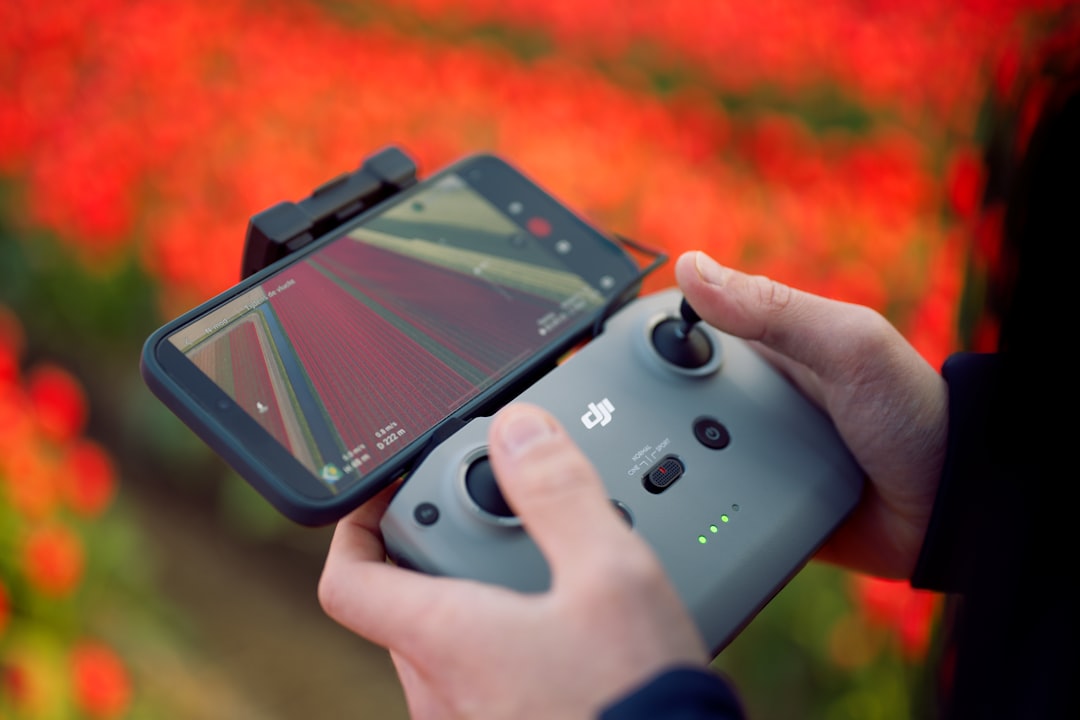
Adaptive controllers are one of the clearest examples of assistive tech that benefits players without diluting competition. For players with limited mobility, custom switches, modular buttons, and remappable layouts can transform a game from impossible to playable. But adaptive hardware is not only for one community; it also helps injured players, older players, and anyone who needs a control scheme that fits their body rather than the other way around. When you pair adaptive controllers with thorough practice support, you get something powerful: skill expression built on flexibility, not forced conformity.
Organizers should treat adaptive controller support the same way live-event teams treat device compatibility or network redundancy. If your bracket software assumes everyone can use a standard controller, you’ve already introduced bias. Venue staff should know how to test devices, troubleshoot bindings, and coordinate with game admins before matches begin. For a production mindset that values reliability, our guide on reliability over price is a useful parallel: a cheap setup that fails in round one is more expensive than a robust one that simply works.
Audio cues can make hidden game state visible through sound
Many competitive titles already use audio as an information layer, but accessibility-focused audio cue design goes further. Think directional pings, layered threat alerts, menu confirmations, objective timers, and distinct sounds for friend, enemy, and system events. For blind and low-vision players, audio cues can be the difference between lagging behind and making split-second decisions with confidence. For everyone else, better audio design reduces cognitive load and helps players process the battlefield faster.
Developers should be careful here: audio cues must be clear, customizable, and never cluttered. If every action emits a sound, the result is noise, not information. The goal is a readable sonic interface where critical states are easy to parse and low-value sounds can be muted. This is similar to the discipline behind strong live match instrumentation in our developer’s guide to live match analytics: useful signals matter, but only if they are structured and interpretable.
AI captioning expands viewership, not just compliance
AI captioning has moved from novelty to practical necessity. In esports, captions help deaf and hard-of-hearing viewers, but they also improve accessibility in noisy venues, public watch parties, muted mobile viewing, and multilingual communities. The best systems do more than transcribe commentary; they identify speakers, label in-game events, and keep pace with the intensity of live play. When implemented well, AI captioning is a broadcast multiplier because it makes streams easier to follow for more people, in more situations.
Streamers and tournament organizers should think beyond raw transcription and focus on caption quality. Can the tool handle player tags? Does it understand game jargon, team names, and common slang? Can it sync quickly enough to feel live? A good accessibility stack should behave like the practical vendor planning we discuss in AI cloud deployment choices: don’t buy the headline feature, verify the operational fit. Captioning that looks good in a demo but fails under match pressure will erode trust fast.
Why Accessibility Is a Competitive Advantage for Tournament Organizers
More entrants means stronger brackets and better stories
When events are accessible, more players can register. That sounds obvious, but it changes the structure of competition in meaningful ways. More entrants create deeper talent pools, more varied matchups, and stronger storylines across the bracket. It also improves scouting, because you’re no longer only seeing the players who can physically fit a narrow default setup. If you want a fuller picture of talent, accessibility is scouting infrastructure.
That’s especially relevant in community-run events, regional tournaments, and open qualifiers where the next breakout competitor may be overlooked for reasons unrelated to skill. Our piece on drafting with data for pro esports talent shows how systems can identify value more fairly; accessible competition widens the pool that those systems can evaluate. Inclusion improves the raw input data.
Broadcast accessibility improves retention and replay value
Accessible broadcasts don’t just serve disabled viewers; they improve the viewing experience for almost everyone. Clear captions, visual indicators for major moments, readable overlays, and simple language all make streams easier to consume in short bursts. That matters because many viewers watch esports like highlights first and live matches second. If they can’t follow the action quickly, they drop off.
Event organizers should design broadcasts like they design their social clips: clarity first, flash second. In that sense, accessibility works like the logic behind cost-efficient streaming infrastructure. You don’t need the most expensive stack; you need the stack that keeps audiences engaged, synchronized, and informed at scale.
Venue accessibility is part of competitive fairness
A tournament can have great software and still fail if the venue is hostile to disabled participants. Seating height, aisle width, desk clearance, quiet spaces, charging access, lighting glare, and restroom proximity all matter. If a player needs to leave the main floor to manage fatigue, pain, or sensory overload, there should be a nearby recovery space. These are not hospitality extras; they are performance supports.
Event planners can borrow from operational guides in other industries. For example, the logic of ergonomic seating policies maps directly to esports stations: posture, reach, and comfort affect endurance. Likewise, the preparedness mindset in staying calm in disruption is a reminder that accessible events need contingency plans for pain flare-ups, tech failures, and sensory overload—not just bracket delays.
What Game Developers Need to Build in 2026 and Beyond
Default accessibility settings should be strong, not hidden
One of the most important dev practices is simple: make accessibility the default path, not a buried submenu. That means subtitles enabled or one step away, button remapping available from first launch, scalable UI by default, colorblind-safe palettes, and input delay settings that are easy to find. If players have to search forums to make the game usable, the system has failed. A11y should feel like onboarding, not surgery.
Studios can learn from the way good products communicate value quickly. Our explainer on phone spec sheets is relevant here: people need to know what matters before they buy. In games, that means clearly surfacing accessibility features on store pages, patch notes, and launch checklists so players can make informed choices before they commit time and money.
Design for variability, not one ideal input method
The most inclusive dev teams assume that players will use keyboards, controllers, adaptive devices, touch inputs, or hybrid setups. Rather than designing around a single “correct” control scheme, they build flexible input architecture that can be remapped, inverted, or simplified without breaking game logic. This is especially important in competitive games where precision matters and small accessibility wins can unlock huge playability gains.
Teams should also test with real users, not just internal assumptions. Community feedback, disability advocates, and accessibility consultants will catch issues your QA checklist misses. That process resembles the practical improvement loop in using community feedback to improve a build. Good a11y is iterative, and the player base will tell you where the rough edges are.
Captioning, localization, and moderation should work together
AI captioning becomes much more useful when paired with localization and moderation workflows. Captions should support multiple languages where possible, but they also need guardrails against slurs, misinformation, and miscaptioning during fast-moving live play. That matters to creators and tournament staff alike because accessibility can be undermined by bad automation. A misheard callout or a missed punishment can distort the viewing experience and create confusion.
For teams building with AI, governance matters. Our article on embedding governance in AI products offers a useful lens: even if the feature is designed for speed, it still needs controls, review pathways, and quality thresholds. In esports, that means human oversight for critical broadcast moments and fallback workflows when captions drift or fail.
How Streamers Can Make Their Channels More Inclusive Today
Start with simple production habits that cost little
Streamers often assume accessibility requires expensive gear, but some of the biggest wins are low-cost. Use readable overlays, high-contrast text, consistent camera framing, and descriptive comms. When possible, keep face-cam lighting even and avoid cluttered backgrounds that make lip reading harder. If you use sound alerts, avoid stacking them over commentary during tense moments, because you may unintentionally bury important speech cues.
Creators who want to keep audiences engaged should think of accessibility as a form of audience design. That’s similar to the practical audience-building logic in live coverage checklists for match-day publishing: the smoother the experience, the more likely viewers are to stay. Inclusion is not a niche feature in creator growth; it’s a retention tool.
Caption your streams even if you think your audience does not need it
Many streamers underestimate how often captions are consumed by non-disabled viewers. People watch on mute at work, in transport, or in shared spaces. They also use captions to catch names, terms, and fast verbal exchanges in chaotic games. If you want more discoverability, better accessibility often improves clip utility too, because highlights become easier to quote and repurpose.
If budget is a concern, start with AI captioning tools and review the output manually for your most important shows. Over time, build a glossary of player names, game-specific terms, and recurring sponsor language so the system gets smarter. That approach mirrors the optimization mindset in reskilling teams for an AI-first world: train the system, then train the humans around it.
Make chat and community rules accessibility-aware
Inclusive gaming is not only about hardware and captions. Community behavior matters too. Stream chat should be moderated for ableist language, disability jokes, and harassment aimed at players using assistive devices. If you celebrate diversity on stream but allow abuse in chat, viewers with disabilities will not stick around. Safety and belonging are part of accessibility.
Creators can formalize this by posting community rules, using mod presets, and educating viewers on why certain language is harmful. The credibility value of that work is similar to the trust-building principles in but we should not use invalid link.
Accessibility Tools and Trade-Offs: What to Adopt First
Below is a practical comparison of the most relevant tools for competitive gaming inclusion. The best choice depends on your role, budget, and audience, but the pattern is clear: start with features that reduce friction for the most people, then layer in specialist support for specific needs. Used together, these tools can transform a single event or channel into a genuinely inclusive environment. The key is consistency across practice, competition, and broadcast.
| Tool | Best For | Primary Benefit | Typical Trade-Off | Adoption Priority |
|---|---|---|---|---|
| Adaptive controllers | Players with mobility differences | Custom input paths and remapping | Setup time and compatibility testing | High for tournaments |
| AI captioning | Streams, VODs, live events | Access for deaf/hard-of-hearing and muted viewers | Errors with jargon and accents | High for creators and organizers |
| Audio cue tuning | Game design and competitive play | Better state awareness through sound | Risk of audio clutter | High for developers |
| High-contrast UI and scalable text | All players | Better readability and reduced eye strain | Requires UI polish across screens | Very high |
| Venue assist stations | Offline events | On-site support and contingency help | Space and staffing needs | Medium to high |
| Moderation tools with a11y rules | Community spaces | Safer chats and healthier culture | Needs active management | Very high |
Organizers should also remember that not every accessibility investment is visible to the audience, but that doesn’t make it less important. A well-trained staff member, a quiet room, or a clean fallback caption workflow can save a whole event from failure. This is the same principle behind planning for disruption in other sectors, like scaling live events without breaking the bank: the smartest resilience often happens behind the scenes.
How to Build an Accessibility Roadmap for a Tournament or Channel
Audit the full experience from registration to replay
Start by mapping the player and viewer journey. Can participants register without barriers? Can they find equipment requirements in plain language? Is there a contact for accommodations? Are captions, alternative formats, and venue access details visible before the event, not after the fact? Then test the same path on the viewer side: can someone new understand the broadcast, follow score state, and interact with the community without getting lost?
An audit should cover technical systems and human workflows. If your event relies on volunteer staff, give them a short accessibility playbook. If your stream uses third-party captioning, confirm the fallback plan. If your game patch adds a new mechanic, check whether the UI or audio cues still pass the “readable in pressure” test. This kind of planning is similar to the structured thinking in integrating live analytics: visibility is only useful if the pipeline is dependable.
Prioritize changes with the highest participation lift
Not every fix has equal impact. A good roadmap starts with the changes that unlock the most participation for the least friction. For many organizers, that means captioning, contactable accommodation info, better signage, and controller support. For devs, that often means remappable inputs, scalable UI, and sound design passes. For streamers, it usually means cleaner overlays, speech-friendly audio mixes, and consistent moderation policies.
Once those foundations are in place, move into more specialized improvements such as custom practice lobbies, accessibility beta testing, and advanced assistive integrations. That approach also protects budget. Like the smart buying logic in deal-finding guides for gaming shoppers, the best value comes from spending where the return is broadest, not where the marketing is loudest.
Measure outcomes, not intentions
Accessibility work should be measured with real outcomes. Did registration increase? Did more players complete check-in? Did stream watch time improve? Did chat reports drop? Did disabled participants say they felt comfortable returning? These are not vanity metrics; they tell you whether the system is actually inclusive. A11y progress should be as measurable as frame rate or average concurrent viewers.
That mindset matches the data-first lens we use in competitive coverage and scouting. If you can measure player performance, you can measure participation friction too. The more clearly you track those signals, the easier it becomes to justify future investment to sponsors and stakeholders.
What the Next 12 Months Could Look Like for Inclusive Esports
Accessibility will move from feature list to expectation
We’re heading toward a phase where major events will be expected to offer at least baseline accessibility support. That means captions, accessibility contacts, venue accommodations, and documented controller rules. The pressure will not only come from advocacy groups; it will come from audiences who increasingly expect polished, usable experiences across entertainment. Just as fans now expect reliable streams and transparent scheduling, they will soon expect inclusive production as standard.
That change is healthy. It pushes the industry to design better products and better communities. It also opens the door for more players to discover competitive gaming as a serious path, whether they want to compete, cast, coach, or create. The result is a bigger ecosystem with more skill, more stories, and more commercial upside.
AI will help, but human oversight will still matter
AI captioning, match analysis, and accessibility assistants will become more capable, but they won’t replace thoughtful production decisions. The fastest path to failure is assuming automation solves policy, etiquette, or quality control. In practice, AI should reduce repetitive work and expand access, while humans retain responsibility for fairness, accuracy, and atmosphere.
That’s why the future of assistive tech in gaming will likely be hybrid. Automated captions will be paired with glossary editing. Adaptive tools will be supported by trained staff. Audio cues will be tuned with player feedback. The same “pilot to platform” logic that appears in enterprise AI adoption applies here: scale only after the experience is stable and trusted.
Inclusive design will create new creative formats
The most exciting part of this shift is that accessibility will not only improve existing formats; it will inspire new ones. Expect commentary tracks designed for neurodivergent viewers, practice sessions built around adaptive hardware showcases, and streamer events that highlight accessibility-first play. The creator economy thrives when formats evolve, and inclusive formats will make the scene richer, not narrower.
This is where competitive gaming can learn from community-driven sectors like local producers, sustainable design, and practical feedback loops. When you build with more people in mind, you get better products, stronger communities, and a more resilient future. Accessibility is not a constraint on esports’ growth story. It is one of the reasons that story can keep growing.
Conclusion: Inclusive Gaming Is Good Design, Good Business, and Good Culture
The most important takeaway from assistive tech in competitive gaming is simple: accessibility is not charity, and it is not a niche afterthought. It is design quality. It helps players compete, helps viewers follow the action, helps creators reach larger audiences, and helps organizers build events that feel modern and trustworthy. The teams that treat a11y as core infrastructure will create communities that are bigger, healthier, and more future-proof.
Start with the basics: adaptive controller support, clean audio cues, AI captioning, readable UI, and well-trained staff. Then keep improving with feedback, testing, and measurement. If you want the broader industry picture, Tech Life’s look at the future of assistive technology is a timely reminder that these changes are already underway. The question is not whether competitive gaming will become more inclusive. It’s who will build that future well enough to lead it.
Pro Tip: If you are launching one accessibility upgrade this quarter, choose the one that helps both players and viewers. AI captioning plus speaker labels is a strong first step because it improves live events, VODs, and social clips at the same time.
FAQ: Accessibility in Competitive Gaming
1. What is the fastest accessibility win for a tournament organizer?
Publish clear accommodation info, enable captions for broadcasts, and make sure controller compatibility is tested before the first match. Those three changes remove a surprising amount of friction.
2. Do adaptive controllers affect competitive fairness?
No, not when rules are clear and devices are approved consistently. Adaptive controllers change the input method, not the skill requirement, and they can actually improve fairness by letting more players compete on equal footing.
3. Are AI captions good enough for esports right now?
They are useful, but they still need human review for player names, game jargon, and critical moments. The best approach is AI assistance with editorial oversight.
4. What should game developers prioritize first for a11y?
Remappable controls, scalable UI, strong defaults for subtitles and contrast, and readable audio design. These features help the widest group of players with the least complexity.
5. How can streamers make their channels more inclusive without expensive tools?
Use clear overlays, maintain good audio balance, enable captions where possible, moderate ableist chat behavior, and speak descriptively during key moments so the action is easy to follow.
Related Reading
- Haptics and Robotics Meet Audio - A closer look at tactile feedback ideas that can improve competitive clarity.
- Integrating Live Match Analytics - Learn how to build reliable live data pipelines for broadcasts and gameplay.
- Scaling Live Events Without Breaking the Bank - Practical production lessons for lean, dependable event infrastructure.
- Embedding Governance in AI Products - Why AI tools need controls, review paths, and quality safeguards.
- Using Community Feedback to Improve Your Next DIY Build - A useful framework for turning player feedback into better accessibility.