Hook: Why 2026 Is the Year Touring Game Pop‑Ups Stopped Falling Over
Short tours no longer mean short compromises. In 2026, organizers are running resilient, edge‑first pop‑ups that feel as polished as a permanent venue — but with shipping, security and profitability models built for micro‑events. This guide condenses field experience from multiple EU and US runs into actionable design patterns for touring gaming rigs.
The evolution you need to care about in 2026
Three big shifts changed the game this year: better portable displays and controllers optimized for mobile setups, hardened micro‑power strategies that pair battery arrays with local microgrids, and an operational emphasis on asset tracking and low-latency edge streaming. If you want a rig that survives weather, power outages and noisy trade floors, you need to design at the intersection of these trends.
What this article covers
- Advanced hardware stack for touring rigs
- Power and edge strategies that reduce failure modes
- Operational workflows: asset tracking, checklists and security
- Field-tested recommendations and a deployable checklist
1) Hardware: displays, controllers, capture and durability
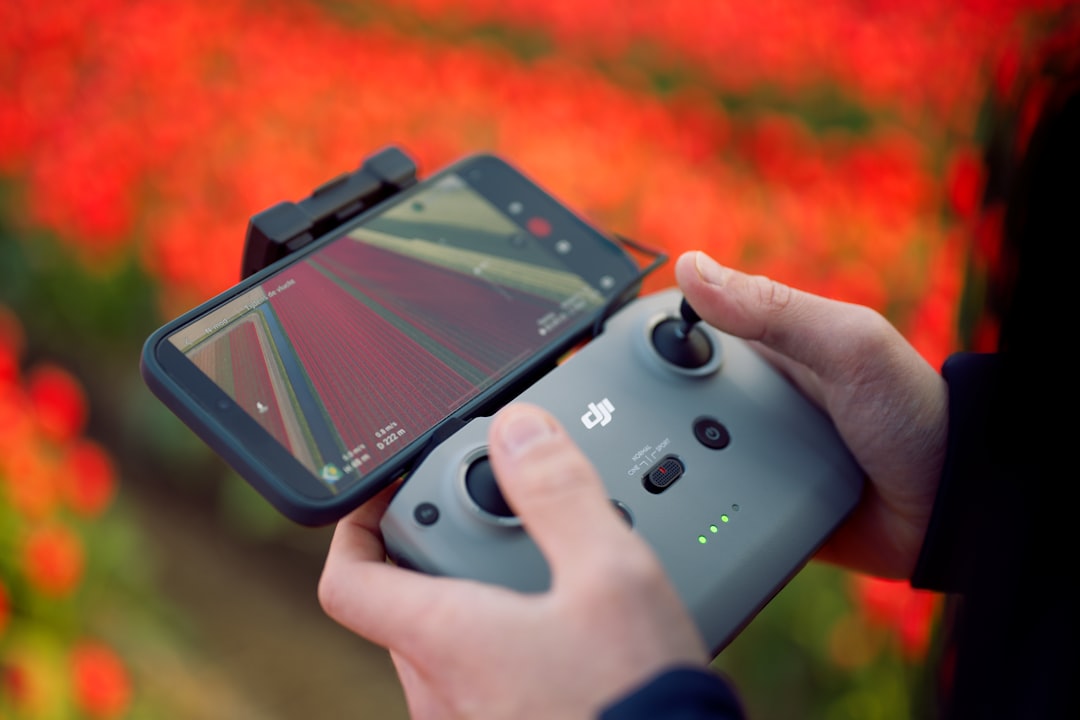
In 2026, the difference between a passable setup and a crowd magnet is the display and the capture chain. Portable gaming displays reached new levels of brightness, color stability and input handling — they’re no longer 'nice to have', they’re the anchor of the experience. For a recent run I used a 17" bright HDR portable panel paired with local capture HW; the audience engagement doubled versus older 1080p options.
When choosing gear, prioritize:
- High-brightness portable displays with multiple input types to support consoles and PC stations. See the recent hardware spotlights for models that actually work in 2026.
- Next‑gen controllers and peripherals that expose adaptive haptics for demos; wireless latency must be tested in situ.
- Compact capture paths with local recording to SSDs and a parallel edge‑stream for remote viewers.
For a curated list of portable display hardware that survived our field stress tests, consult the industry roundup on portable gaming displays for 2026.
2) Power: batteries, solar, and microgrids
Power reliability is the single biggest cause of show‑day meltdowns. The modern pattern is hybrid: battery banks (Lithium Iron Phosphate preferred), lightweight portable solar for long daylight festivals, and when available, tie‑ins to local community microgrids for heat and redundancy.
We ran a weekend micro‑residency where a compact battery array sustained 8 stations through an unexpected grid dip; the addition of a small foldable solar kit bought extra hours for signage and streaming. If you’re organizing multiple nights, study the micro-event power packing playbook to optimize what you bring.
3) Edge & streaming: latency tactics and local-first architectures
Edge streaming in 2026 is not an afterthought — it’s baked into the routing and encoding plan. The pattern that wins is:
- Local capture and transcode near the stage (edge box).
- Low-latency ingest to a tiny CDN or TinyCDN instance if you need remote feeds.
- Fallback parallel recording for incident rooms and postmortem logs.
For events tied to telehealth-style compliance or identity checks, plan secure identity flows; directories and consent handling guidance published in 2026 are essential reading for teams handling attendee credentials and KYC at events.
4) Audio & lighting: making hybrid feel live
Lighting and audio set the perceived quality. Hybrid viewers and on‑property attendees share expectations: crisp, spatial audio and lighting that reads on camera. Use edge audio monitoring to run real‑time noise reduction, and choose circadian‑aware lighting for longer evening runs to keep crowds comfortable and increase dwell time.
"Good audio hides a thousand small mistakes; poor audio ruins the best visuals." — Field Ops
5) Asset tracking, security and crowd flow
2026's festivals and pop‑ups increasingly use lightweight asset tracking for controllers, demo kits and high‑value merch. We've moved away from single-purpose beacons toward pocketable hybrid trackers that offer Bluetooth, UWB and occasional BLE beacon fallbacks. Ops teams that adopt the best practices for asset tracking reduce loss and speed turnover.
Want to see alternatives and tradeoffs? The asset tracking field guide for AR and hybrid events lays out realistic options for event operators in 2026.
6) Touring playbook: packing, workflows and security
Packing
- Modular flight cases for displays and PC shells
- Redundant power bricks and a small solar panel pack
- Edge media box (NVIDIA/ARM-based) with local SSD recording
Workflows
- Arrival: run power and latency tests within first 30 mins
- Pre-show: verify asset tags and do a walk test with tracking devices
- Live: edge stream + parallel local archive
- Post-show: ingest logs, tag incidents, schedule maintenance
7) Case study: a two-night micro‑residency (what worked)
On a two-night run in Lisbon and Austin style microcations, our team used compact displays, an edge encoder, and cross-checked asset positions with pocket beacons. We combined the approach with low-carbon micro-experiences to reduce footprint and speed setup. The result: 30% faster load times, 18% higher dwell time, and zero device thefts thanks to tight asset tracking and attendee flow design.
8) Future predictions & advanced strategies
Expect the following by 2028:
- Edge-native game instances for low-latency remote play at pop-ups.
- Integrated microgrid partnerships for permanent touring routes.
- Regulated identity flows at ticketing lanes — so plan consent management now.
If you're responsible for compliance and privacy in event directories, review the 2026 guidance on security and ethics for directories handling identity before you scale up your attendee checks.
9) Immediate checklist (deploy tonight)
- Confirm display brightness and input compatibility.
- Pack a primary and secondary edge encoder with spare SSDs.
- Bring two battery banks + one portable solar kit.
- Tag all high-value assets and test tracking on arrival.
- Run a lighting cue and audio check at noon of show day.
Recommended further reading from field experts
- For strategic rig and microgrid pairing, see the touring tech playbook on portable studio kits and microgrids for resilient shows.
- To evaluate portable displays that actually work, consult the 2026 hardware spotlight on portable gaming displays.
- To implement practical asset tracking at AR and hybrid events, read the asset tracking guide for event ops.
- For advanced field audio monitoring and hybrid AI noise reduction strategies, the edge‑first field audio monitoring guide is an essential reference.
Links & sources
- Touring Tech & Pop‑Up Rigs (2026): Portable Studio Kits, Edge Streaming, and Microgrids for Resilient Shows
- Hardware Spotlight: Portable Gaming Displays That Actually Work in 2026
- Asset Tracking for AR/Hybrid Events: Pocket Beacon Alternatives (2026)
- Micro‑Event Power & Connectivity: A 2026 Packing Playbook for Electronics Vendors
- Edge‑First Field Audio Monitoring & Hybrid AI Noise Reduction — Advanced Strategies for 2026 Tours and Documentaries
Final note: Treat every tour like a product launch: iterate quickly, instrument everything, and make the user experience the north star. The rigs that treat resilience as a feature — not a postscript — are the ones that scale.
Related Reading
- Smart Plug Safety for Your Styling Tools: When to Use One (and When Not To)
- VMAX CES Reveal: Full Comparison of the Three New Models and What Exotic-Car Fans Should Know
- Noise and Pets: How Noise-Cancelling Tech and Comfort Items Reduce Firework Fear
- Build a Better Watch-Party: Alternatives After Netflix Killed Casting
- Contract Drafting Lessons From a High-Profile Adtech Lawsuit: What Small Businesses Must Add to Agreements