Hook: Convert Night Market Browsers into Players and Buyers — Without Breaking Your Team
The magic is in the workflow. In 2026, event operators can run compact gaming pop‑ups that do three things well: entertain, convert, and leave no loose ends. This manual focuses on the operational building blocks — asset tracking, offline viewing kits, creator gear for night streams, and camera/POS layouts proven to increase conversion.
Why this matters now
Short attention spans and crowded night markets make first impressions decisive. To win, your team needs to reduce friction for on-site purchases, protect high-value assets, and maintain stream quality when connectivity is unpredictable. Offline-first patterns and pocketable asset tracking moved from optional to essential in 2026.
Section A — Asset tracking that actually fits event ops
We tested three approaches in 2025–26: low-cost BLE tags, UWB hybrid trackers, and a mobile-friendly asset‑tracking service that integrates with POS. The sweet spot for night markets is a hybrid device that provides quick location pings, tamper alerts, and a simple admin app for front-line staff.
For an in-depth comparison of pocket beacon alternatives, see the asset tracking guide for AR and hybrid events. That analysis helped us choose trackers that balance battery life and precision.
Operational tips
- Tag every controller, tablet and demo unit before shipment.
- Deploy a single dashboard with active alerts and a simple escalation flow.
- Train a two-person incident team for retrieval and guest escalation.
Section B — Offline viewing and fallback media kits
Connectivity fails. Period. An offline viewing kit gives you the ability to show polished trailers, recorded matches and sponsor loops without streaming. In 2026 the best practice is a dual-path media strategy:
- Primary: low-latency edge stream for remote viewers.
- Fallback: local offline playlist served to displays via a small local server or preloaded SSD.
Field reviews of portable offline viewing kits detail tested kits and playback reliability in noisy environments; pair those findings with your display choices to reduce downtime.
Section C — Creator gear for night streams
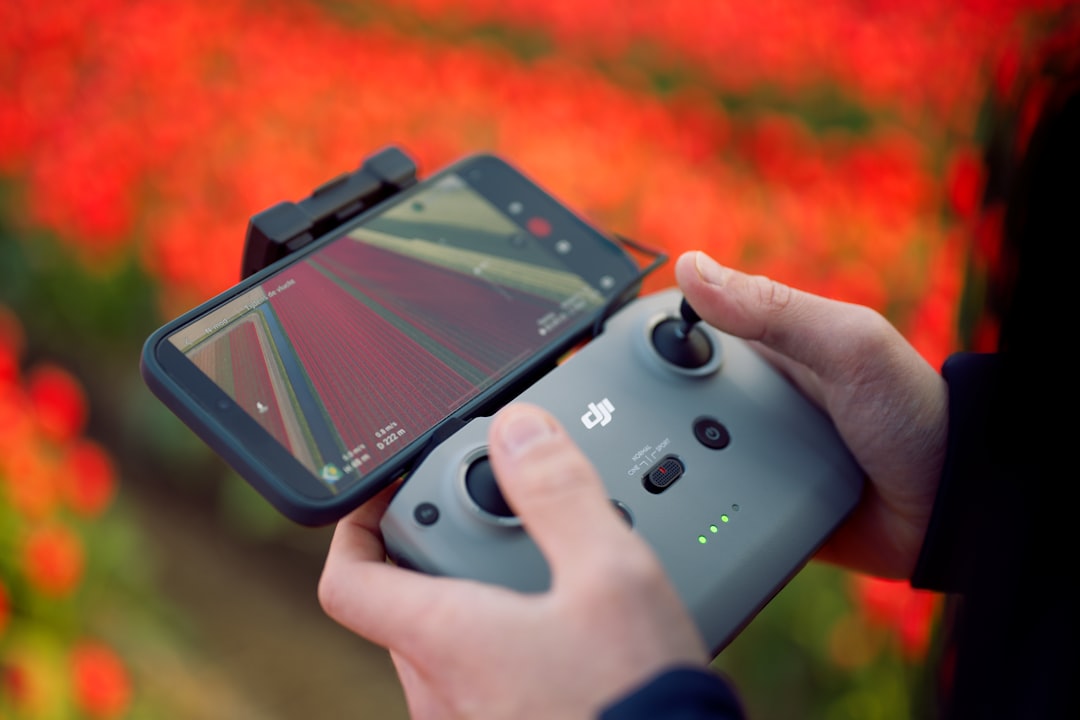
Creators who show up to your pop‑up should be set up to create quickly and well. A single creator pack we standardized includes a compact camera, a battery-powered audio setup with edge noise suppression, a small switcher and a dedicated LTE/5G bridge with SIM fallback. If your budget allows, include a pocketcam pro style device for fast single-operator shoots — it reduced set times by 40% on our runs.
For crew prepping creator kits, review the creator gear field guide that outlines packing and night stream prep in 2026.
Section D — Camera kits, POS and layout design
Layout matters. Night markets reward intuitive flow: discovery zone → demo lane → purchase counter. We used a modular layout based on recent camera/POS field guides that recommended ringed demo lanes and a walkable merch island.
- Place the POS where staff can see both entry and demo lanes.
- Use simple camera kits with fixed mounts for repeatable framing.
- Integrate signage with QR pay overlays for instant conversions.
Section E — Power and field kits
Minimize failure points by standardizing on a single class of batteries and ensuring all chargers are cross-compatible. Portable solar chargers and compact power bricks let you sustain signage and phones during long shift changes. For a rundown of the best portable solar chargers and field kits we tested, refer to the 2026 field review on portable solar chargers for pop-up experiences.
Section F — Playbook: Pre-event, show-time, and post-event
Pre-event (48–24 hours)
- Inventory and tag every item (scan and confirm in asset dashboard).
- Configure offline media and test local playback on each display.
- Charge all battery packs to 90% and label for rotation.
Show-time
- Run a 15-minute audio and lighting check before open.
- Keep an incident kit (spare controllers, chargers, trackers) near POS.
- Rotate batteries proactively at pre-set swap intervals.
Post-event
- Audit assets and reconcile via scan reports.
- Archive edge logs and offline recordings for incident reviews.
- Debrief with creators and front-line staff within 48 hours.
Section G — Monetization and micro-merch tactics
Small, fast conversions beat long funnels at night markets. Micro‑merch tactics that worked for us in 2026 included low-cost exclusive drops, digital redeem codes scanned at POS, and modular demo-to-buy flows that let guests check out with minimal friction. For playbooks on micro‑merch merchandising and micro-pop rituals, the micro‑merch tactics guide is a helpful companion.
Further reading & reference links
- Asset Tracking for AR/Hybrid Events: Pocket Beacon Alternatives (2026) — critical for choosing tags and trackers.
- Field Review: Portable Offline Viewing Kits for Pop‑Ups and Night Markets (2026) — tested playback kits and reliability.
- How to Prepare Portable Creator Gear for Night Streams and Pop‑Ups (2026 Field Guide) — creator pack templates and packing lists.
- Night Market Ready: Camera Kits, POS, and Layouts for Mobile Arcade Pop‑Ups — 2026 Field Guide — layout and POS considerations for conversion.
- Review: Portable Solar Chargers and Field Kits for Pop‑Up Guest Experiences (2026 Tests) — field-tested solar and power solutions.
Closing: Make reliability your brand
Ultimately, the most memorable pop‑ups are the ones that feel effortless to the guest. Reliability creates that impression. Use asset tracking to reduce loss, offline viewing kits to avoid embarrassments, and standardized creator packs to scale your production. If you master these building blocks, your night market game pop‑ups will feel like small, impeccably run festivals — and that’s a repeatable business model in 2026.
Related Reading
- How to Run a Platform Migration Pilot Without Losing Your Core Community
- Don't Ignore Windows Update Warnings: Patch Management Strategies That Avoid 'Fail To Shut Down'
- Courtroom to Headlines: How the Peter Mullan Case Was Reported — A Guide to Responsible Coverage
- Buddha’s Hand Beyond Zest: Aromatherapy, Candied Peel, and Savory Uses
- Banijay, All3 and the New Wave of Consolidation: How TV Production Mergers Will Change What You Stream