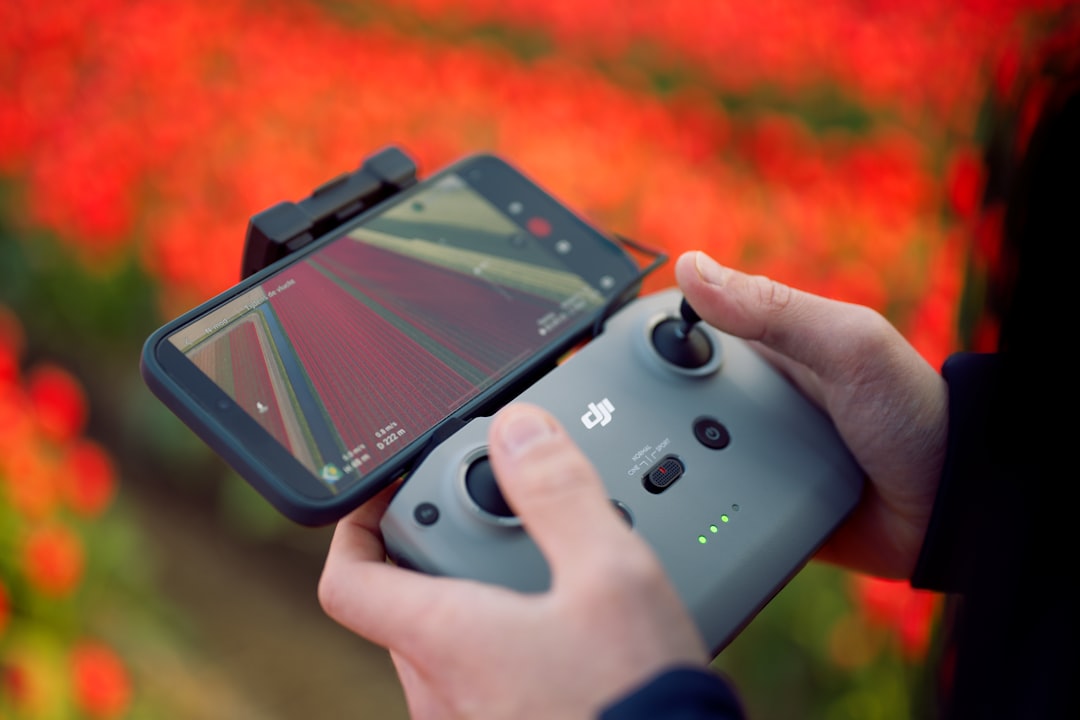
CES 2026 is fast approaching, and the hardware floor promises one of the richest harvests for gamers, creators and competitive players in years. From AI-accelerated peripherals to Gen-next GPUs and commercial-grade streaming routers, this year's show will set the tone for gaming accessories and hardware through 2026 and beyond. This deep-dive preview covers the biggest categories to watch, what pro players and creators expect to see, and how to plan purchases or product coverage around launches.
Before we jump in, if you're covering CES or building product lists, arm yourself with context on how events can pivot in real time: our reporting on what happens when real-world emergencies disrupt gaming events explains contingency thinking operators will apply this year. And for makers and journalists tracking experiential approaches, read our piece on exclusive gaming events to see how shows optimize live demos.
1) Macro trends shaping CES 2026 reveals
AI-first accessories: smarter, personalised inputs
Expect the majority of peripheral launches to advertise on-device AI features: latency-aware prediction for mice, microphone gating and voice enhancement inside headsets, and adaptive haptics for controllers. These innovations are not just marketing — they reflect a broader industry push to embed machine learning in the firmware layer, a shift explored in our broader analysis on future-proofing careers against AI disruption.
Sustainability and right-to-repair signaling
CES 2026 vendors are more likely to emphasize recycled materials, modular designs and extended warranty/repair programs. The market pressure driving these moves echoes brand loyalty lessons from other hardware categories; see the case study on Belkin power bank brand loyalty for how durable, useful gear keeps customers coming back.
Privacy, patents and data stewardship
Wearables and headsets that collect biometric or audio data will be in the spotlight for both innovation and legal scrutiny. For background on the patent and privacy climate, refer to our piece on the patent dilemma for wearables and gaming and the deep dive into wearables and user data issues that can shape product launches.
2) Headline hardware: GPUs, custom silicon and consoles
GPU refresh expectations
Several vendors will tease mid-cycle GPU updates focused on power efficiency and ray-tracing performance per watt. Look for partners to emphasize total-system cooling innovations and board-level power profiles. If historical patterns hold, early CES announcements will move the press cycle and retail windows into Q2.
Custom silicon and CPU platforms
Chipmakers are pivoting toward specialized accelerators for streaming and AI tasks, not just raw cores. Readers tracking the cloud-mobile axis should revisit our reporting on Intel and Apple implications for cloud-hosting on mobile for context on how silicon strategy impacts gaming deployments.
Console-adjacent hardware: controllers and dock ecosystems
CES will be the staging ground for third-party controllers, tournament-grade docks and modular grips. Expect companies to highlight cross-platform compatibility and latency stats designed to appeal to grassroots esports organizers.
3) Gaming laptops and compact desktops: mobility meets pro-level power
Thin-and-fast with better thermals
Look for vendors promoting chassis-level innovations: vapor-chamber cooling that keeps sustained clocks, and smarter fan curves tied to in-game telemetry. Our coverage on performance under pressure — like gaming triumphs in extreme conditions — shows why thermal design is mission-critical for pro players.
Hybrid displays and refresh rates
Hybrid screens that switch between low-power OLED modes for streaming and high-refresh modes for esports are poised to be spotlight products. These displays aim to reduce input lag while delivering streaming-quality color for creators.
Creator-focused notebooks
Expect creators’ workstations to include dedicated NVENC-like encoders and hardware instancing to accelerate live production. For creators strategizing distribution, note how platform mechanics change audience reach in pieces like what TikTok's new structure means for creators.
4) Accessories that matter: controllers, mice, keyboards and power
Next-gen controllers and haptics
We expect multiple companies to showcase high-resolution haptic modules that emulate texture and force. Competitive controllers will focus on programmable profiles and on-device macros while keeping latency below the 1ms target pro players demand.
Mice and keyboards: sensors, switches and personalization
Look for upgrades in sensor technologies and optical switches with longer lifespans. Software ecosystems offering cloud-synced profiles will be a differentiator — a reminder that the peripheral experience is as much about firmware as hardware. For experimental design lessons from gaming as art, see boundary-pushing gaming experiences.
Power, battery and portability
Portable power solutions are vital for LANs and creators. Product stories this year will trade on battery density and fast-charging protocols. Read the broader consumer-tech cautionary take on free hardware offerings in navigating the market for ‘free’ technology, and the Belkin case-study linked earlier demonstrates how portable power shapes user loyalty.
5) Audio, microphones and content capture
Headset tech: spatial audio and voice isolation
Spatial audio has become table-stakes; CES demos will differentiate by offering per-ear DSP tuning and adaptive beamforming. For audio choices beyond gaming headsets, our Sonos buyer guide is a useful primer on evaluating speaker systems and room correction: audio and speaker choices.
Mics and capture: broadcast-quality sub-$200 options
Brands are pushing broadcast-grade microphone features downmarket — built-in analog limiters, multi-pattern capsules and direct-to-USB DSP. These features shorten prep time for streaming and create easier workflows for solo creators.
Accessories for creator workflows
Arm stands, dampening mounts and compact mixers will be on every booth. Expect companies to position integrated capture rigs as shortcuts to higher production values — and to emphasize software suites that handle audio normalisation and noise reduction on-device.
6) Displays, VR/AR and spatial computing
High-refresh OLED and microLED wins
Display makers will pitch reduced latency, variable refresh with near-zero stutter, and better HDR performance. Gamers should watch demos for true motion clarity at competitive refresh rates and input latency measurements under real titles.
VR headsets: tethered power vs. untethered freedom
Expect incremental headset hardware — lighter optics, better passthrough cameras, and more efficient encoders for wireless PCVR. Companies pitching wireless solutions will lean on new compression codecs that preserve competitive responsiveness.
AR overlays for competitive training
AR wearables aimed at coaching and analytics will be demonstrated, particularly tools that overlay heatmaps, timers and strategy cues during scrims. This is a growing crossover area between esports and performance analytics.
7) Networking, streaming infrastructure and cloud tools
Routers and mesh systems designed for streamers
Routers with QoS geared to simultaneous 4K streaming and 144Hz gameplay will be front-and-center. Vendors will demonstrate hardware offload for video encoding and packet prioritization stacks, especially for homes running multiple streams and cloud gaming clients.
Edge compute for low-latency cloud gaming
Chip and platform vendors will show edge deployments that shave round-trip times for mobile and console remote play. For a technopolitical view on how chip strategies shift hosting realities, revisit the Intel-Apple cloud analysis at Intel and Apple implications for cloud-hosting on mobile.
Streaming software and platform alignment
Software vendors will tout integration with social platforms and built-in AI tools for captioning and moderation. These tie back to how creators reframe content for distribution platforms like TikTok (see TikTok changes for creators).
8) Smart peripherals, wearables and biometric control
Biometric input and adaptive control
Biometric control will appear in wristbands and headsets — heart-rate-informed haptic intensities, micro-movements used to activate macros, and biosignal-based audience overlays in streams. Companies will have to balance utility with the privacy risks described in our wearables coverage (wearables and user data).
Fitness-of-play: health sensors for training
Products aimed at pro players will offer posture and micro-fatigue metrics, enabling coaching that blends physical conditioning with reaction-time analysis. This connects to broader wellness conversations that crossover from other industries.
Legal and IP risks in wearable tech
Expect panels on patents and interoperability; companies are increasingly concerned about IP forcing design loops. For a primer on the patent obstacles, read the patent dilemma.
9) What industry influencers and pro players predict
Influencer consensus: comfort and cross-platform utility win
Top streamers and pro players we've polled say CES 2026 will reward accessories that reduce cognitive load — plug-and-play comfort, cloud-synced profiles and predictable latency. Influencers who pivot to short-form highlight the importance of streamlined capture rigs and easy-to-use lighting, an insight reinforced in creator platforms reporting.
Pro teams: reliability over bells
Esports orgs and coaches told us they'll prioritize repeatability: peripherals that behave identically across venues and predictable network stacks. This focus on dependability helps retain competitive integrity and mitigates the drama we see when rivalries escalate from novelty to stale friction; see our analysis on keeping esports exciting for context on the stakes.
Creator economy leaders: production value democratization
Creators predict the next wave of products will democratize pro-level production: cheaper capture cards with hardware encode offload, mics with built-in DSP, and headsets that reduce mixing time. Adoption will be shaped by platform changes and attention economics; read more about creator platform shifts at what TikTok's new structure means.
Pro Tip: If you're planning purchases around CES reveals, allocate a decision window of 6–10 weeks after the show. That’s when firmware updates, driver releases and extended reviews usually clarify which products are truly shipping-ready.
10) How to prepare as a buyer, pro player, or creator
Buyers: when to pre-order vs. wait for reviews
For high-cost items (GPUs, headsets, VR), wait for independent latency and thermal tests. For peripherals where ergonomics matter, hands-on time trumps spec sheets: bring your preferred mouse grip or phone mount to show-floor demos. For a cautionary view on free tech offers and sunk-cost traps, consult our guide on free technology pitfalls.
Pro players: staging and cross-venue testing
Pro teams should secure loaner units for a two-week scrim cycle before committing to in-season hardware. That testing period lets you validate macros, button mapping, and thermal performance under stress, similar to how athletes condition for extreme situations (see gaming triumphs in extreme conditions).
Creators: prioritize workflow gains
Allocate budget to time-saving hardware first: encoders that reduce CPU usage, microphones that need minimal post-processing, and ring-light or panel solutions that flatten color correction time. Our creator coverage on production tools and platform changes can help you match purchases to revenue opportunities.
11) Key booths, sessions and panels you shouldn't miss
Major OEM keynotes and partner showcases
Attend the major chipmaker and GPU partner keynotes; those sessions often reveal timelines and partner roadmaps. There are also quieter partner reveals in smaller demo rooms where run-time demos show true behavior over long sessions.
Panels on privacy, IP and the future of wearables
Given the legal dynamics around biometric wearables, don't miss panels that feature IP counsel and product leads — they'll give the clearest perspective on what to expect commercially and legally. Our reporting on the patent landscape is a handy pre-read (patent dilemma).
Creator roundtables and short-form monetization talks
Look for sessions where creators share workflow hacks and discuss platform distribution mechanics. These conversations often surface which peripherals are delivering measurable lifts in engagement.
12) Pricing behavior, shipping timelines and deal season tactics
Introductory pricing vs. street pricing
CES announcements often come with limited-time pre-order bundles. Historically, true street prices settle 4-8 weeks post-show. For buyers, the calculus involves assessing whether bundled accessories (cases, cables, subscription trials) actually reduce TCO.
Shipping realities and supply chain cadence
Expect staggered shipments: flagship devices may ship in small first waves, with broader availability tied to component supply and firmware stability. Monitor company shipping commitments carefully — press releases only tell half the story.
Deal season and timing your purchases
Plan purchases to align with post-announcement reviews and the first driver updates. For accessories and peripheral bundles, the initial post-CES discount window (often 6–10 weeks) is the best time to secure fair pricing without the risks of day-one hardware issues.
Comparison table: CES 2026 hardware and accessories to watch
| Product Category | Expected Announcement | Booth/Brand to Watch | Key Specs to Validate | Pro Buy Window |
|---|---|---|---|---|
| Next-gen GPU | Efficient ray-tracing SKU | Major GPU partner booths | RT perf/W, board TDP, driver maturity | Wait 6–8 weeks for reviews |
| Pro gaming headset | Spatial audio + adaptive mic | Audio OEMs & peripheral brands | Latency, mic isolation, comfort hours | Hands-on testing; buy after firmware update |
| Wireless VR headset | Lighter optics + new compression | XR startups & incumbent vendors | Wireless latency, passthrough clarity, battery life | Wait for long-session stress tests |
| Streaming-ready router | Hardware offload QoS | Networking vendors at CES | Concurrent stream throughput, NAT handling | Buy after independent lab benchmarks |
| Pro controller / haptics | High-res haptics & tactile modules | Peripherals aisle startups | Haptic fidelity, latency, programmable memory | Pre-order if proven in hands-on events |
Frequently asked questions
1. Will CES 2026 reveal the next-gen console?
Major console platformholders rarely use CES as the primary console reveal stage. Expect announcements from accessory makers and platform partners rather than a full console unveiling. Monitor OEM keynotes and partner rooms for peripheral and streaming ecosystem news.
2. How can I validate latency claims shown on the show floor?
Bring a standard test rig with you or rely on independent outlets who measure latency end-to-end using validated tools. Pay attention to how companies measure latency: synthetic benchmarks can be optimistic compared to real-game telemetry.
3. Are on-device AI features safe from privacy risks?
Not automatically. On-device processing reduces cloud exposure, but biometrics and audio capture still present privacy concerns. Read vendor privacy policies and firmware update histories before trusting devices with sensitive data.
4. Should creators buy gear at CES or wait for sales?
Buy only if you need a product immediately for a campaign and you’ve validated key workflow benefits. Otherwise, wait for independent reviews and the first round of firmware updates that iron out initial issues.
5. How will CES innovation affect esports in 2026?
If peripherals and networking hardware deliver on consistent low-latency performance and cross-venue parity, esports will shift towards faster patch adoption of new gear. But the ecosystem's adoption speed depends on vendor support, standardization, and IP licensing — issues covered in our patent and league analysis.
Closing analysis: risk, reward and how to read the booth floor
Weighing hype against ship-readiness
CES always balances prototypes and near-shipping products. The savvy buyer reads beyond flashy demos: check supply timelines, firmware update cadence, and early independent testing. If you need a purchase decision quickly, prioritize devices with clear shipping dates and robust partner ecosystems.
Follow-up cadence: what to monitor after CES
In the 3 months post-show, track firmware releases, driver updates and third-party compatibility notes. Those signals separate polished launches from vaporware. For broader product lifecycle lessons, our piece on how brands win loyalty via dependable power accessories is instructive (Belkin power bank case).
How to stay plugged in
Subscribe to vendor mailing lists for driver and release notes, follow pro players for real-world reports, and lean on authoritative labs for benchmarks. For creators, aligning gear purchases with platform shifts (see TikTok's platform changes) optimizes ROI.
Note: Many CES 2026 announcements will be incremental but meaningful. The real change will come from ecosystems aligning — chips, drivers, and platform incentives working together to make advanced features usable for everyday creators and competitors.
Further reading and cross-topic signals
To place CES 2026 in a broader context, consider how experiential design guides product engagement (see interactive fiction lessons), and how culture and creative integrity continue to shape hardware choices (artistic integrity in gaming).
Final takeaway
CES 2026 will be about pragmatic upgrades: smarter peripherals, better thermal and network engineering, and accessible creator tools that reduce production friction. Prioritize products that solve workflow pain points, validate claims with lab-style tests or long-session demos, and keep an eye on privacy and IP dynamics that may constrain long-term adoption.
Related Reading
- When Rivalries Get Stale: Keeping Esports Exciting - Analysis on competitive dynamics that influence hardware standardization.
- Choosing the Best Sonos Speakers - A speaker-audio guide useful for streamers and home setups.
- Intel and Apple: Implications for Cloud Hosting on Mobile - How chip decisions affect cloud gaming.
- Game On: What Happens When Real-World Emergencies Disrupt Gaming Events? - Operational lessons for live shows.
- Navigating the AI Disruption - Guidance for professionals adapting to AI-first toolchains.