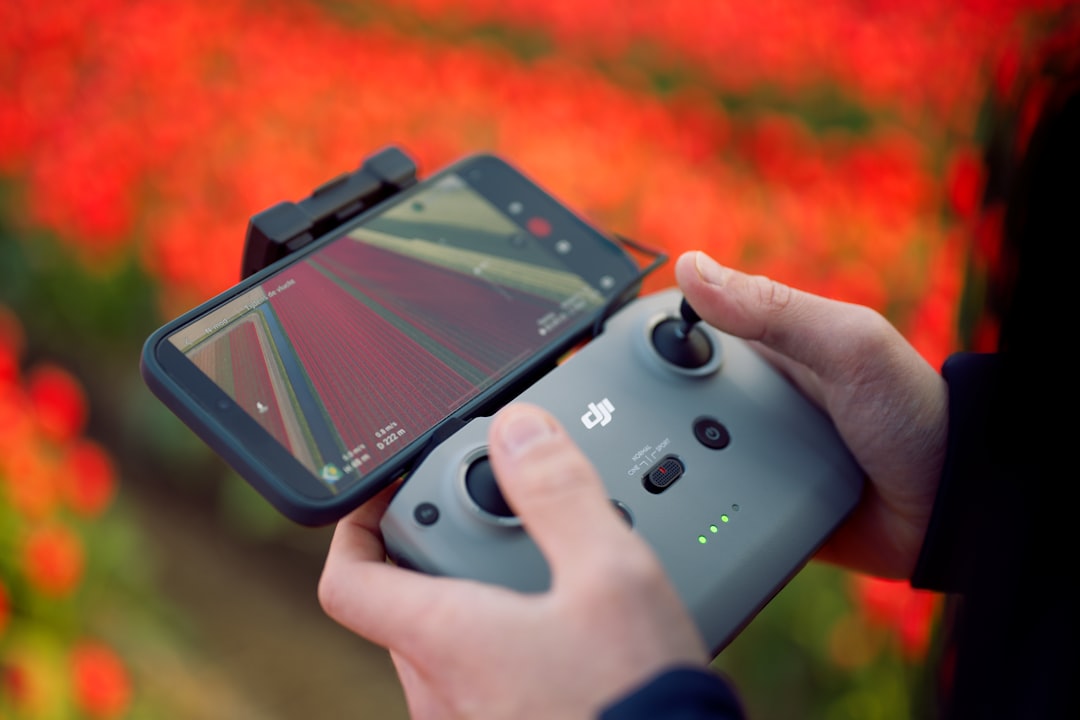
A good budget gaming setup in 2026 is not the cheapest pile of parts you can find. It is a balanced bundle: a PC or laptop that can hit your target frame rates, a monitor that matches that output, a headset that is comfortable for long sessions, and accessories that improve play without quietly wasting money. This guide is designed to be refreshable. Instead of pretending there is one perfect list for every month of the year, it gives you a practical framework for estimating cost, deciding where to spend, and updating your choices when prices and performance shift.
Overview
If you are shopping for the best budget gaming setup, the most useful question is not “What is the cheapest gaming rig?” It is “What setup gives me the smoothest experience for the games I actually play?” Budget buyers usually lose money in one of two ways: overspending on a single flashy component, or buying too low and replacing parts too soon.
For most players, a budget gaming setup has four core layers:
- The gaming system: desktop PC, prebuilt PC, or gaming laptop.
- The display: usually the most important quality-of-life upgrade after the system itself.
- Audio and communication: headset or headphones plus microphone.
- Input and comfort: keyboard, mouse, controller, mouse pad, chair, and lighting only if there is room in the budget.
The key is balance. A capable budget gaming monitor paired with a weak system is wasted. A fast PC connected to an old office display feels underused. A premium headset attached to an uncomfortable mouse and poor desk setup does not solve the real problem.
This article uses a calculator-style approach. Rather than naming fragile “best of the moment” picks that can age quickly, it shows you how to build a bundle around repeatable inputs: your game type, resolution target, expected frame rate, upgrade horizon, and total spend. That makes the guide useful now and worth revisiting later when pricing changes.
As a rule, budget buyers should optimize for these outcomes:
- Stable performance in the games they actually launch every week.
- A monitor refresh rate the system can realistically use.
- Comfortable peripherals that do not need immediate replacement.
- A clear upgrade path, especially for storage, memory, and input devices.
If your goal is competitive shooters, your bundle should look different from someone playing RPGs, indie games, or cross-platform co-op titles. If you mainly play free-to-play staples, your setup priorities may also differ from someone chasing every major release on launch week. For game discovery on a budget, it also helps to combine your hardware plan with software value sources like Game Pass picks, PlayStation Plus recommendations, or our guide to the best free-to-play games right now.
How to estimate
Here is the simplest way to estimate a budget gaming setup in 2026 without guessing.
Step 1: Choose your performance target
Start with the experience you want, not the parts list. Write down:
- Your main game types: esports, live service games, story-heavy AAA releases, indie games, or mixed use.
- Your target resolution: 1080p is still the safest budget baseline; 1440p can be realistic if the rest of the build supports it.
- Your target frame rate: 60 fps, 120 fps, or “as high as possible” for competitive play.
- Your expected settings level: low, medium, high, or mixed.
This step keeps you from paying for performance you will never notice. Many budget buyers are happiest at 1080p with a reliable high-refresh monitor and medium-to-high settings, especially if they play a lot of competitive or cross-platform games.
Step 2: Split the budget by category
A practical budget setup usually works best when the gaming system gets the largest share, followed by the monitor, then audio and inputs. The exact split changes by use case, but the principle stays the same: do not starve the PC, and do not ignore the monitor.
A simple planning model looks like this:
- System: the majority of the budget.
- Monitor: enough to match your target resolution and refresh rate.
- Headset/audio: enough for clear positional sound and voice chat comfort.
- Mouse, keyboard, or controller: spend where your main genre demands it.
- Accessories: only after the essentials are covered.
If the total feels too high, reduce accessories first, not the core performance tier.
Step 3: Estimate the “minimum usable tier” for each item
For every category, define the minimum you would be happy using for a year or more. That matters more than chasing the lowest sticker price.
- PC: enough graphics and CPU headroom for your target games.
- Monitor: at least a panel size, refresh rate, and response behavior that feel right for your use.
- Headset: comfort over long sessions, clear mic if you queue with friends, and easy connectivity.
- Mouse and keyboard: dependable switches, sensor quality, and shape.
- Controller: only if you actually play games that benefit from it. If you do, a budget-friendly pad can be a better spend than an expensive keyboard.
For controller-focused players, our round-up on the best controller for PC gaming in 2026 is a useful companion piece.
Step 4: Add hidden setup costs
Budget builds often go off track because buyers forget the small items:
- Operating system or software costs
- Extra storage
- Cables and adapters
- Desk space constraints
- Webcam or microphone for streaming or school/work calls
- Shipping, tax, and regional pricing differences
Even if you do not assign exact numbers yet, leave room for them. The cheapest quoted setup is often not the cheapest setup to finish.
Step 5: Compare replacement cost, not just purchase cost
A slightly better mouse, monitor, or headset can be the smarter budget choice if it avoids a replacement six months later. The right question is not only “What costs less today?” but also “What keeps this setup useful longer?”
Inputs and assumptions
To keep your calculations consistent, use the same assumptions every time you revisit the guide.
1. Your main game mix
This is the strongest input in the whole process.
- Competitive shooters and esports: prioritize frame rate, monitor refresh, mouse quality, and low-latency feel.
- RPGs and single-player action games: prioritize image quality, display size, and headset comfort.
- Live service and seasonal games: prioritize long-session comfort, storage, and stable performance across updates. It helps to track big changes through a live service game update tracker.
- Cross-platform party and co-op games: prioritize controller support, wireless convenience, and maybe a second input device for local play. Our guide to the best cross-platform games to play with friends can help shape that decision.
2. New build or partial upgrade
A full setup from scratch costs more than an upgrade path. If you already own a usable monitor, controller, headset, or desk, keep it in the model. A smart budget setup often begins with one strong new purchase and two reused peripherals.
3. Desktop PC, prebuilt, or laptop
There is no universal winner. Each has a different value story:
- Desktop DIY: usually best if you care about upgrades and part-level control.
- Prebuilt desktop: often simpler if you want one-box convenience and warranty support.
- Gaming laptop: makes sense if portability matters or you have limited space, but it changes your monitor and accessory priorities.
If portability is essential, your “setup” budget may lean more heavily toward cooling, an external mouse, and a better headset rather than internal desktop upgrades.
4. Resolution and refresh pairing
A common budget mistake is pairing a demanding display target with an entry-level system. Keep these ideas aligned:
- 1080p remains the safest value target for broad compatibility and smoother frame rates.
- High refresh is most meaningful if the games you play can actually reach it.
- For slower-paced games, panel quality and color consistency may matter more than maximum refresh.
Once you buy your monitor, tuning it properly matters too. See our guide to the best gaming monitor settings for FPS, RPG, and HDR games after setup.
5. Comfort assumptions
Comfort is not a luxury line item. It affects whether you enjoy the setup for months. For many people, the first “budget” purchase that should stretch a little is the headset or mouse shape, because discomfort is expensive in practice. If you need more headset-specific guidance, read Best Gaming Headsets in 2026.
6. Your software budget
Hardware decisions make more sense when you pair them with a game plan. If you buy fewer new releases and rely more on subscriptions, free-to-play games, and deep-library staples, you can justify a slightly stronger monitor or better headset. If you buy several launch titles every season, keep more cash flexible. For planning upcoming purchases, our new game releases this week calendar is a practical reference.
Worked examples
These examples are not fixed shopping lists. They are decision models you can reuse when prices move.
Example 1: The esports-first budget setup
Player profile: mostly competitive shooters, hero games, and fast multiplayer titles.
Priority order: system performance, high-refresh monitor, mouse, then headset.
What to buy first:
- A system capable of delivering strong 1080p frame rates in competitive settings.
- A monitor whose refresh rate matches that goal.
- A lightweight or comfortable mouse with a reliable sensor.
- A headset with clear imaging and good voice chat quality.
Where to save:
- RGB lighting
- Mechanical keyboard upgrades beyond a solid starter option
- Premium speakers
- Decorative desk accessories
Why this works: In esports-focused play, input feel and frame consistency usually matter more than visual extras. A cheap gaming accessory that interferes with aim or comfort is a false economy. A plain desk mat and modest keyboard are acceptable compromises; a poor mouse is not.
Example 2: The all-rounder setup for school, work, and games
Player profile: uses the setup for gaming, browsing, voice chat, streaming video, and occasional productivity.
Priority order: balanced system, good-value monitor, comfortable headset, dependable keyboard.
What to buy first:
- A balanced PC that handles modern games at sensible settings.
- A monitor with a comfortable size and enough refresh to feel smooth in both games and daily use.
- A headset that stays comfortable during long mixed-use sessions.
- A keyboard that feels decent for both typing and gaming.
Where to save:
- Ultra-high refresh you may never use
- Streaming gear if you are not creating content yet
- Impulse accessory bundles
Why this works: The all-rounder buyer gets more real value from balance than from any single standout part. This is often the safest path for readers searching “budget gaming setup 2026” because it avoids extreme weak points.
Example 3: The live service and co-op setup
Player profile: mainly plays ongoing multiplayer games with friends across seasons.
Priority order: comfort, storage, headset, controller or mouse depending on genre.
What to buy first:
- A system with enough storage flexibility for several regularly updated games.
- A comfortable headset for long sessions and frequent chat.
- The primary input device for your most-played games.
- A monitor that is responsive but not necessarily top-end.
Where to save:
- Excessive visual extras on the desk
- Overbuilt enthusiast keyboards
- Premium creator gear if you are not streaming
Why this works: Ongoing games tend to expose weak storage planning, poor comfort, and bad microphones faster than they expose a slightly lower top frame rate.
Example 4: The handheld-and-desk hybrid buyer
Player profile: splits time between a PC setup and another platform such as Switch, cloud gaming, or portable play.
Priority order: monitor versatility, headset flexibility, controller compatibility.
What to buy first:
- A display with convenient inputs and easy switching.
- A headset or headphones that work across multiple devices.
- A controller if your game mix supports it.
Why this works: If you play across platforms, adaptability can be a better value than chasing top-end PC-only specs. For platform-specific game ideas, see our current list of the best Nintendo Switch games right now.
When to recalculate
The best budget gaming setup is not something you decide once and forget. Recalculate when the inputs change enough to affect value.
Here are the main triggers:
- When component pricing shifts: especially if your shortlist includes older value parts or last-generation peripherals.
- When game requirements change: a major release or large update can alter what “good enough” feels like.
- When monitor deals move: monitor value changes often reshape the whole bundle.
- When your habits change: moving from casual play to ranked grinding, or from solo gaming to frequent voice chat, changes priorities.
- When one weak link becomes obvious: for example, a headset that hurts after an hour, or storage that is always full.
A simple action plan works well:
- List your current setup and mark what actually bothers you during play.
- Pick one primary goal: smoother frame rates, better comfort, clearer audio, or cleaner desk function.
- Re-check current pricing only for the categories tied to that goal.
- Upgrade the bottleneck first, not the most exciting-looking item.
- Revisit the setup again after major shopping periods, release windows, or benchmark changes.
If you want to keep your setup useful without overspending, think in cycles. The system and monitor are usually longer-term anchors. Mouse pads, controllers, budget gaming headsets, and cheap gaming accessories are easier to swap as your needs sharpen. That mindset keeps a budget setup from turning into a string of random purchases.
In practical terms, the best budget gaming setup in 2026 is the one that fits your real games, your desk, and your upgrade timeline. Use this guide as a repeatable framework: set your target, split the budget, account for hidden costs, and rebalance when prices or performance expectations move. That process will usually save more money than chasing a single frozen recommendation.